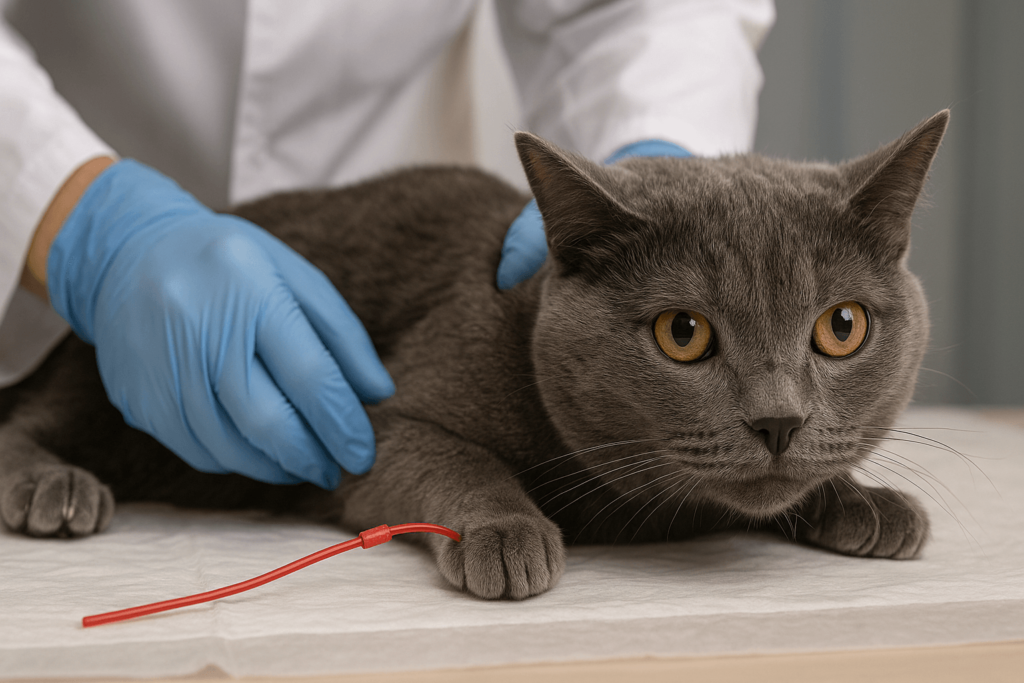
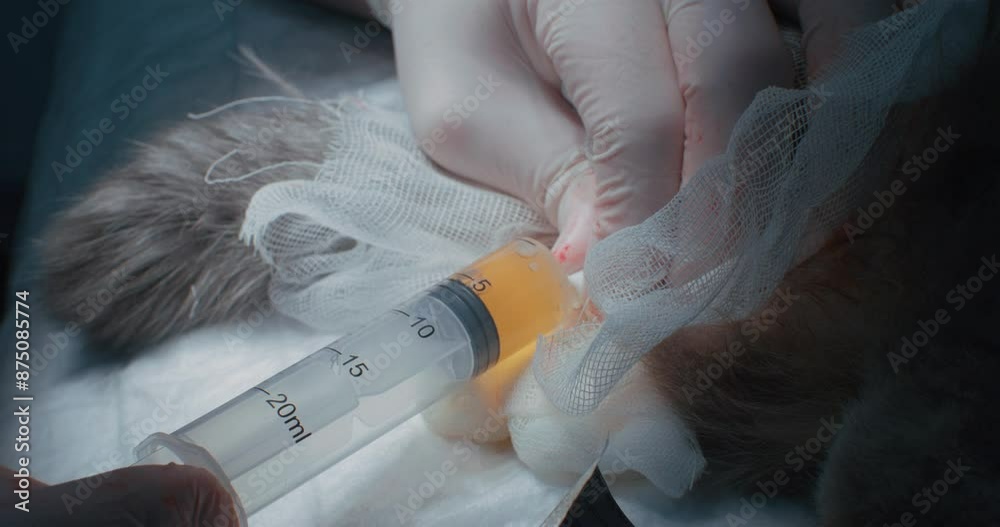
After the cat has been stabilized, sufficient anesthesia is administered to provide immobilization and urethral relaxation. Many effective anesthesia protocols are available and can be chosen based on clinician comfort and drug availability.
Common causes of urethral tract blockage in cats include: Urethral plugs: These are the most common cause of obstruction in male cats. Urethral plugs are a combination of crystals and mucous formed by the body; they lodge in the urethra and prevent urine from exiting.
Urethral spasms in cats. The muscle around the cats urethra (the urethral sphincter muscle) can spasm involuntarily. A neutered males urethra is so narrow that these involuntary muscular contractions can be enough to cause an obstruction.
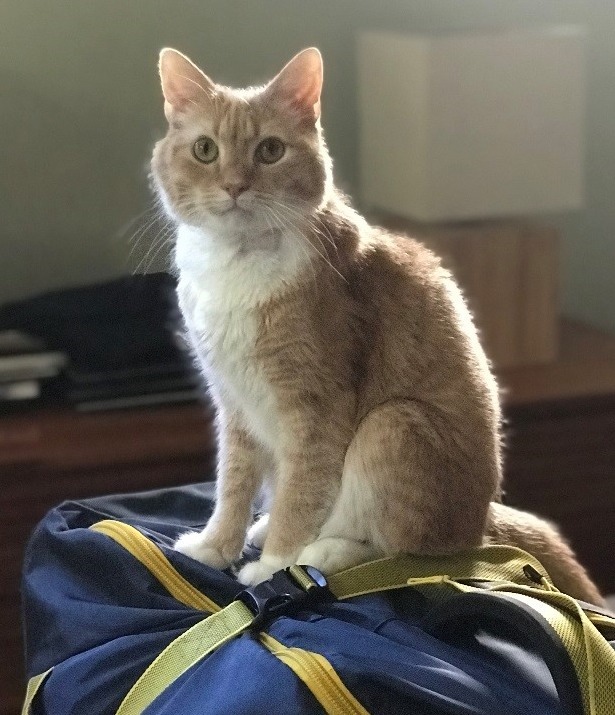
Urethral obstruction is a common condition in male cats and is a potentially life-threatening emergency. Prompt, appropriate treatment is critical.
Genital Discharge in Cats - Causes, Treatment and Associated Symptoms...

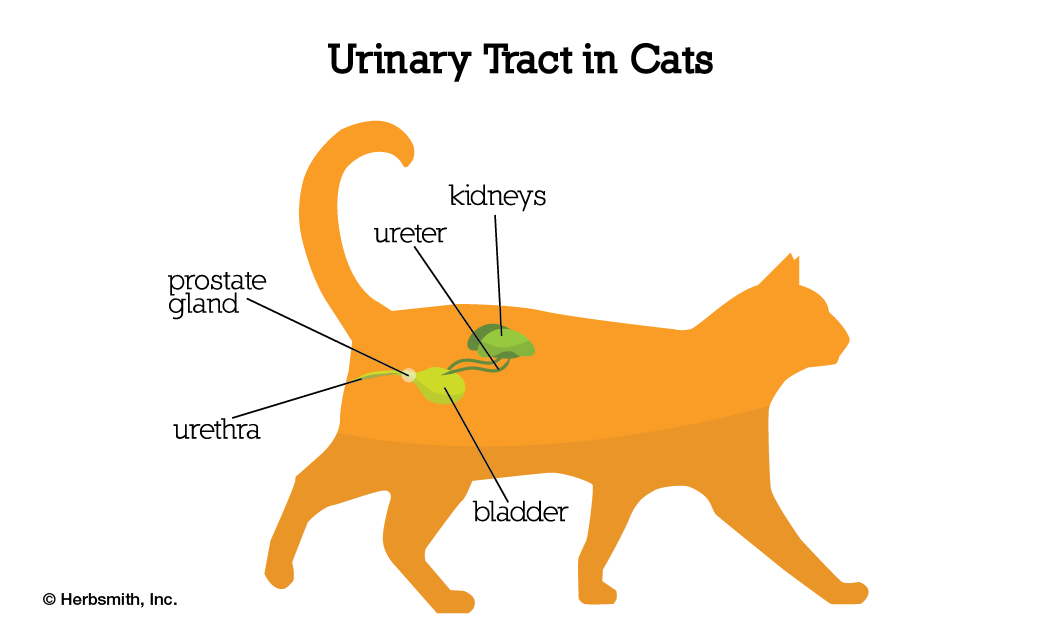
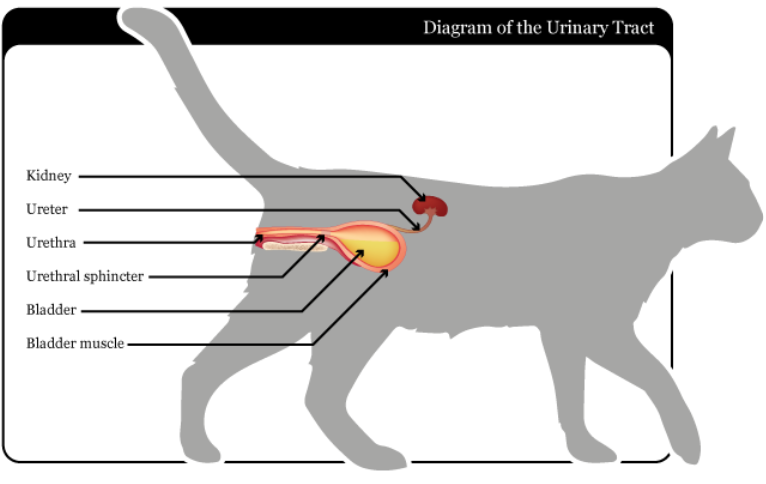
How Do Cats Pee? Ureters bring urine from the kidneys to the bladder, which stays relaxed until its full. When its time for a cat to urinate, their bladder wall contracts and their urethral sphincter muscle relaxes to allow urine to leave the body.
Experiencing urethral discharge? Learn about possible causes, symptoms, and when to seek medical help.

Urethral discharge refers to any fluid that exits the urethra, the tube that carries urine from the bladder to the outside of the body. This discharge can vary in appearance, consistency, and volume, depending on its underlying cause.
Discover the 8 common causes of urethral discharge in females, including infections and sexually transmitted diseases. Seek medical advice for diagnosis and treatment.