What Are Effective Waste Reduction Strategies During Renovations? Effective waste reduction leverages deconstruction methods, on-site sorting for recycling, and donation networks for reusable fixtures.
Effective Strategies for Renovation Waste.Renovation Waste Management. Effective planning can reduce project waste by up to 30% through accurate material estimation.
When you add water-saving upgrades to your renovation strategies for commercial spaces, you cut water use and take steps toward being water-positive. Businesses that install efficient fixtures reduce water use by 15% to 30%.

Moving forward, it's essential to keep these visual contexts in mind when discussing Effective Waste Reduction Strategies For Renovation.
Another effective strategy for minimizing waste in home design is through maximising space with multipurpose furniture. These items are not only practical but also encourage a minimalist approach that inherently facilitates a reduction in waste occurrence. Opt for Eco-Friendly Materials.
Despite the consensus that waste efficient design is important for reducing waste generated by construction and demolition activities, design strategies for actual waste mitigation remain unclear.

As we can see from the illustration, Effective Waste Reduction Strategies For Renovation has many fascinating aspects to explore.
In particular, not all long-term renovation strategies are providing GHG reduction data, which makes it difficult to assess the ambition of the strategies in terms of climate neutrality, mitigation and adaptation at EU level.
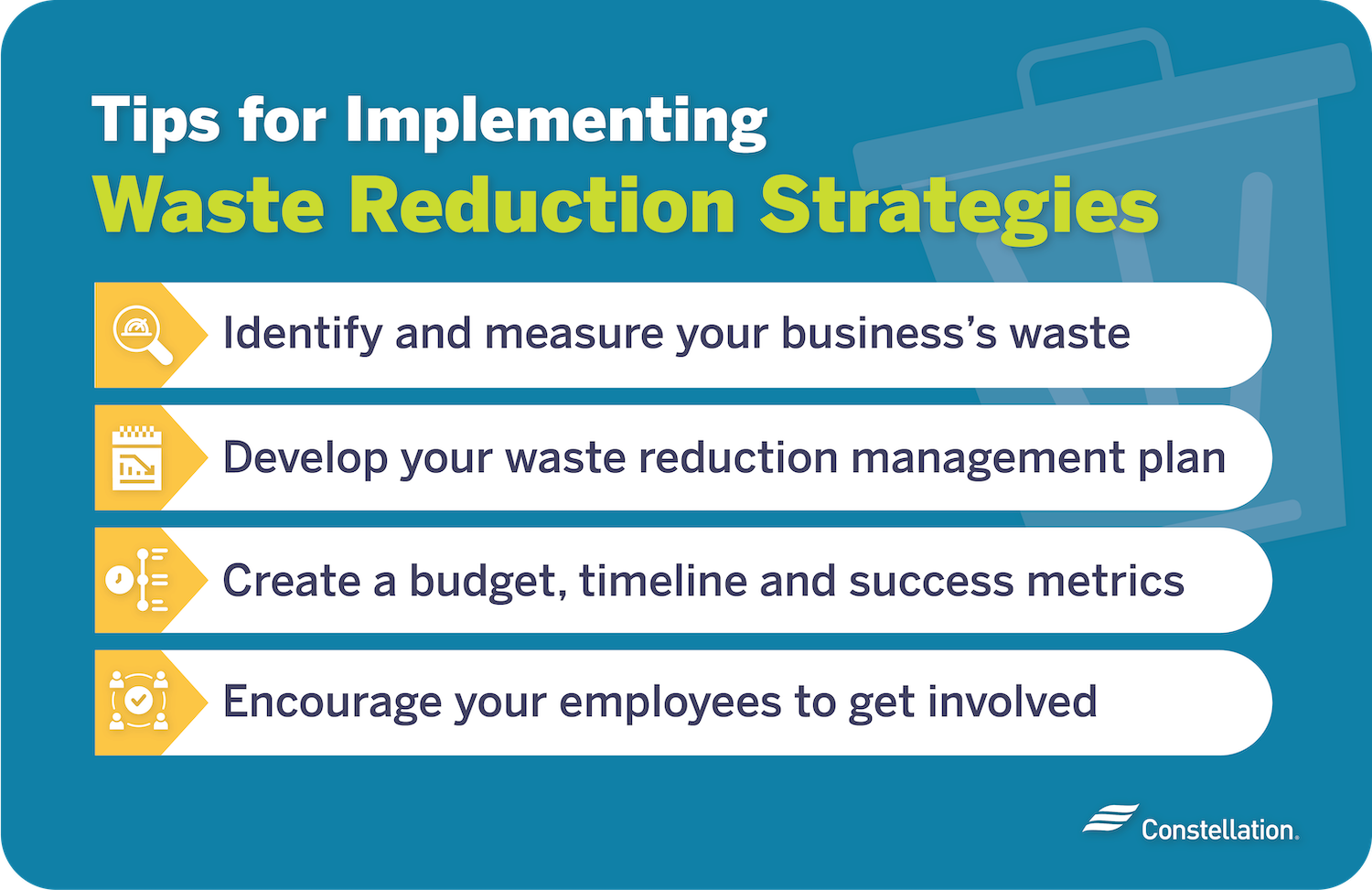
Effective Waste Management and Reduction Strategies. By embracing deliberate strategies for recycling, composting, and reducing paper and material usage, we can make significant strides in reducing office waste and promoting environmentally conscious practices.

Moving forward, it's essential to keep these visual contexts in mind when discussing Effective Waste Reduction Strategies For Renovation.
Moreover, families with low incomes have often dwellings with poor seismic and energy performance. This circumstance reduces the opportunity of undertaking renovation actions even for the buildings with the highest seismic vulnerability and decarbonization potential.