There are many factors that could contribute to the stress of different species of reptiles, but this paper highlights capture and living in captivity as stressful situations that cause corticosteroid release in many reptile species.
Reptiles are an evolutionary old and diverse class of vertebrates (see also) who are used in different sorts of research, some of which can be harmful to their psychological well being. Various reptiles show complex parental behavior and also have been observed to play.
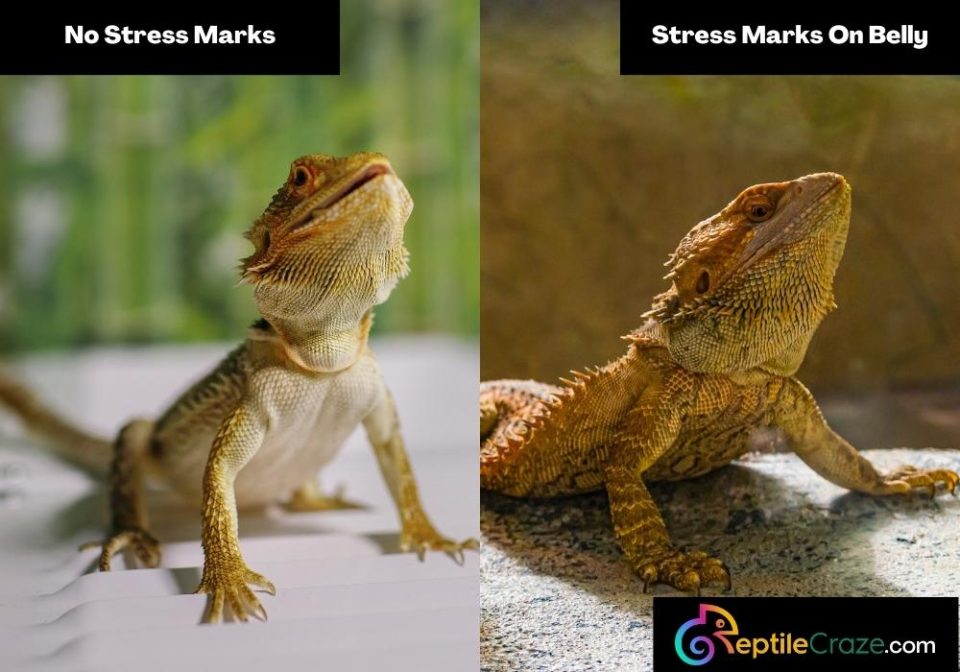
Reptile Stress Symptoms. Stressed reptiles show changes in behavior, appetite, posture, color, and activity.Reptile stress symptoms often show as clear changes in behavior and body. Watch closely for these signs so you can act fast. Loss of appetite: Eats less or refuses food for days.

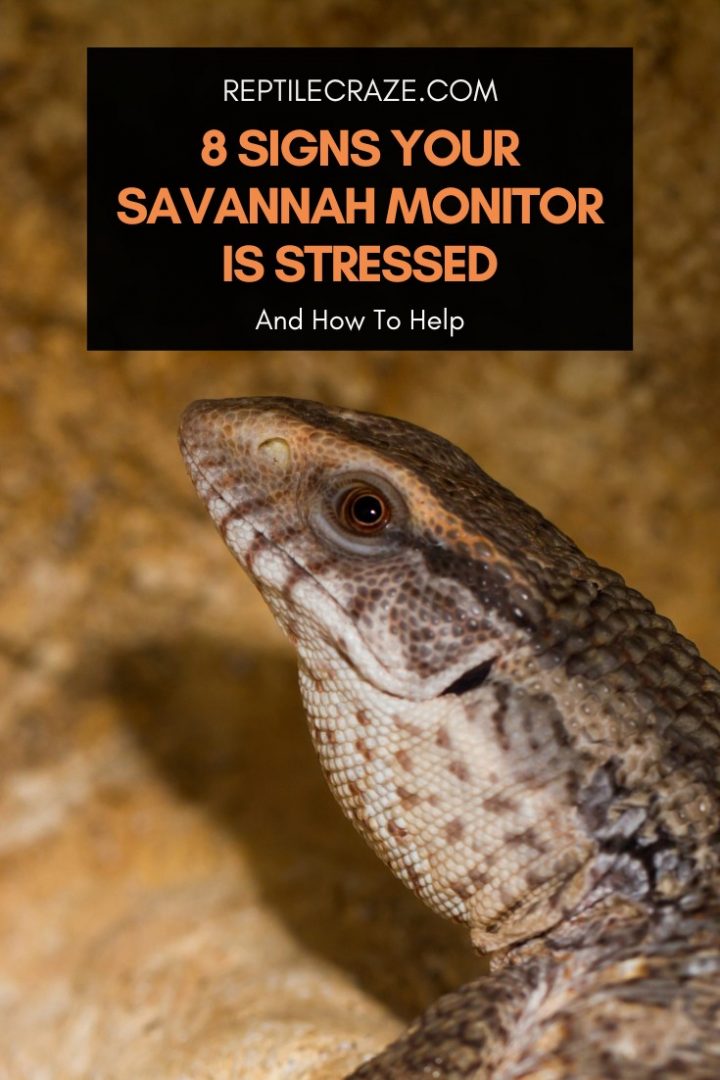
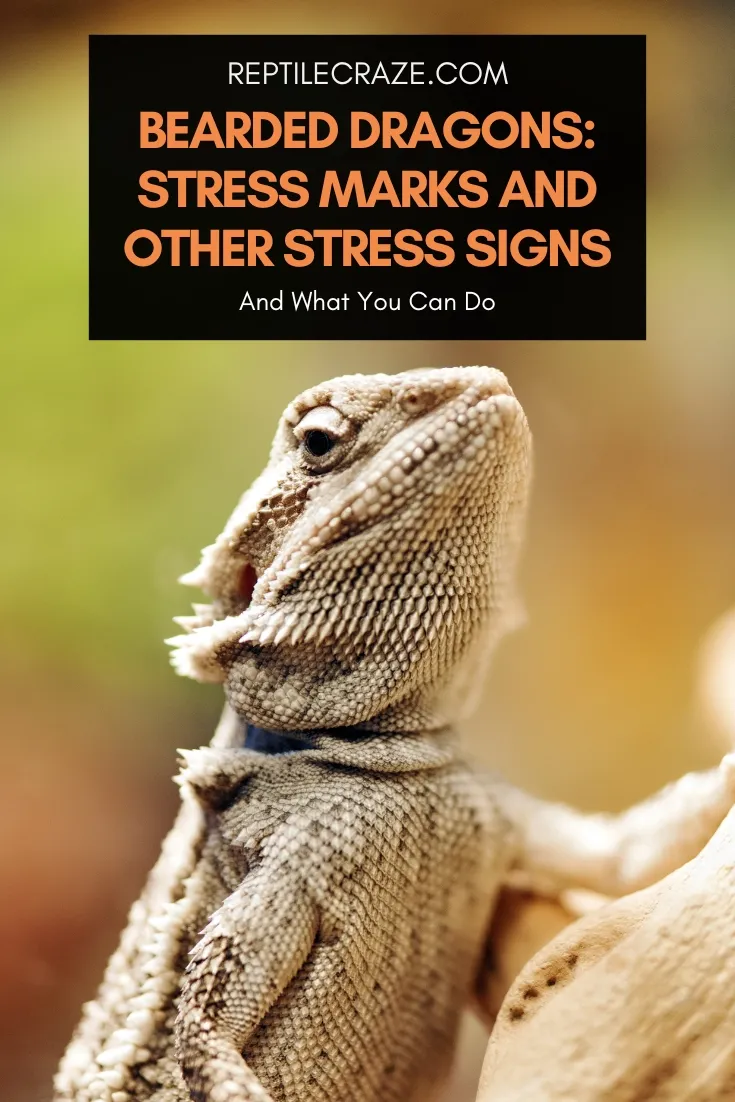
Reptile stress is something most reptiles need to deal with, just like most animals. Its important for reptile owners to be aware of the signs of stress in their pets so they can take steps to reduce it.
Complete guide to Glass Surfing / Wall Climbing in reptiles. Learn about causes, symptoms, diagnosis, treatment options, and prevention for this reptile health condition.

Improper Habitat Temperature Regulation Lack of Proper Ventilation in Enclosures Dehydration as a Contributing Factor Signs of Heat Stress in Reptiles Immediate First Aid for Heat-Stressed Reptiles Step 1: Remove the Heat Source Step 2: Hydration and Cooling Step 3: Using...
Reptiles have evolved stress responses that differ significantly from mammals, making their signs of distress less obvious to human caretakers. When stressed, reptiles typically engage in either fight, flight, or freeze behaviors, which stem from their survival instincts in the wild.

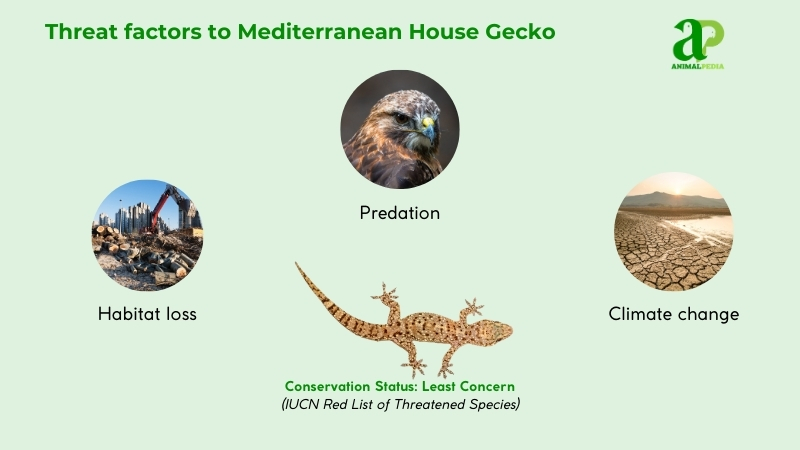
Furthermore, visual representations like the one above help us fully grasp the concept of Factors Contributing To Reptile Stress.
Factors contributing to reptile cold stress include inadequate heating in enclosures, drafts from windows or doors, and improper transport conditions.