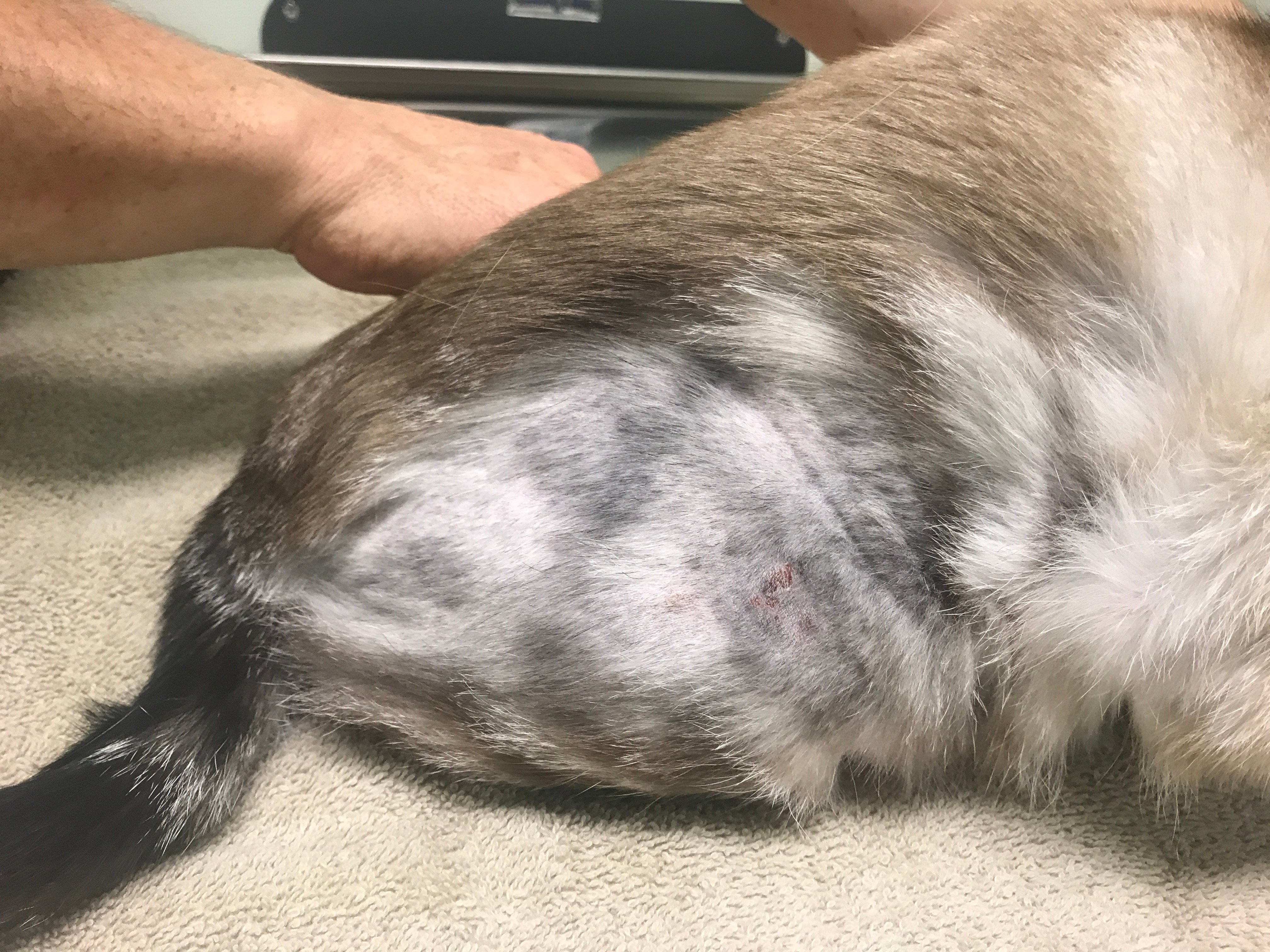
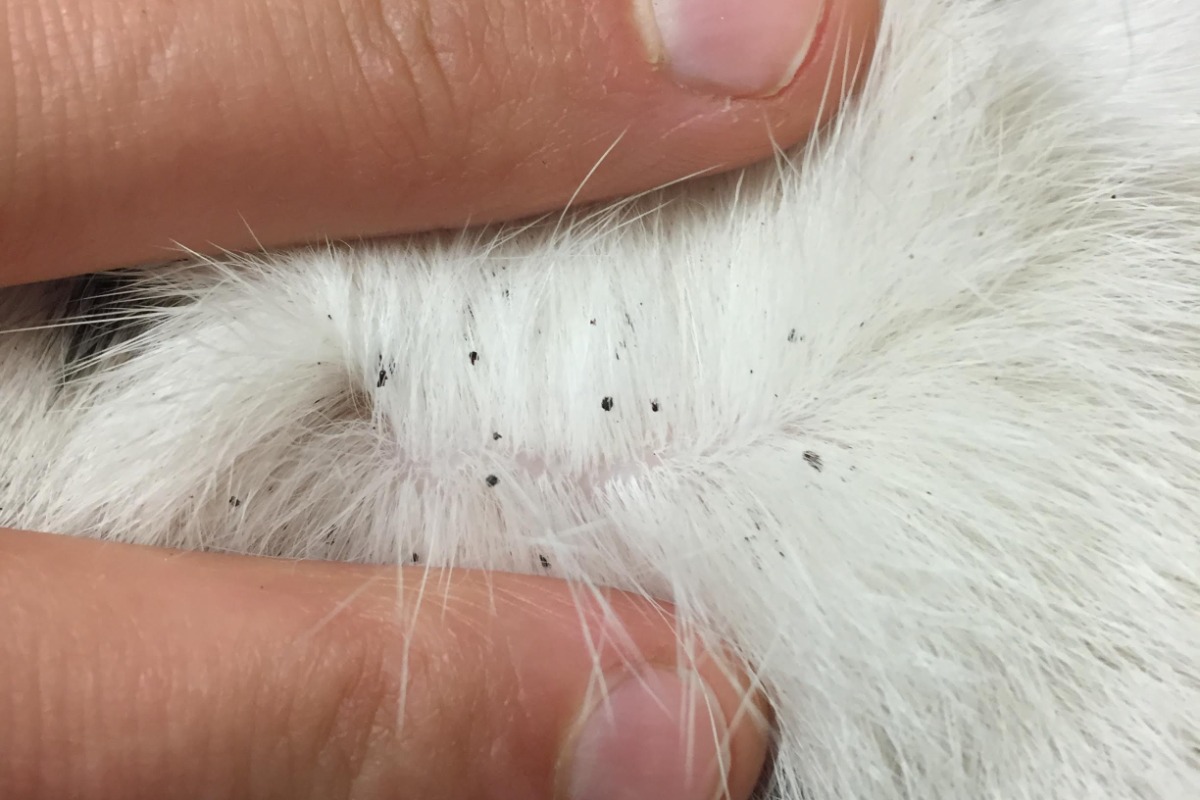
For maintenance, it is recommended that products that rapidly kill adult fleas are used to reduce flea feeding times. For the allergic cat, examples include nitenpyram, spinosad and dinotefuran. The addition of an insect growth regulator such as lufenuron will further control the juvenile stages ...
- Flea allergy dermatitis requires fast action. Discover the best medications, shampoos, and prevention strategies for your pet.
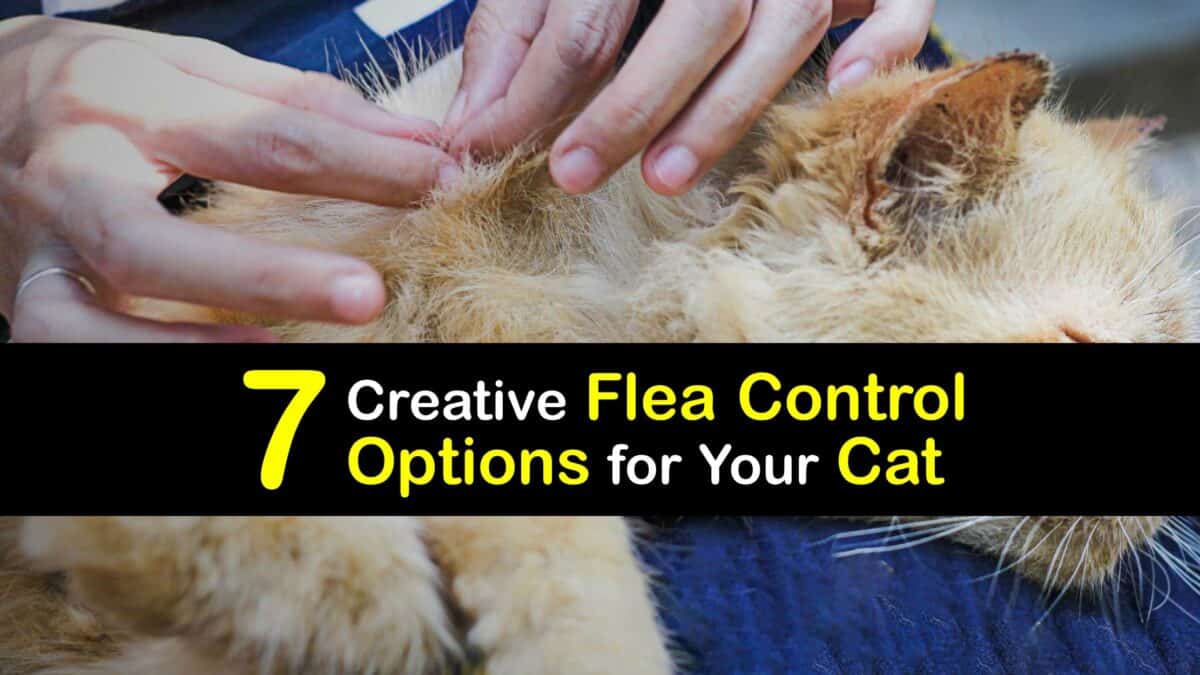
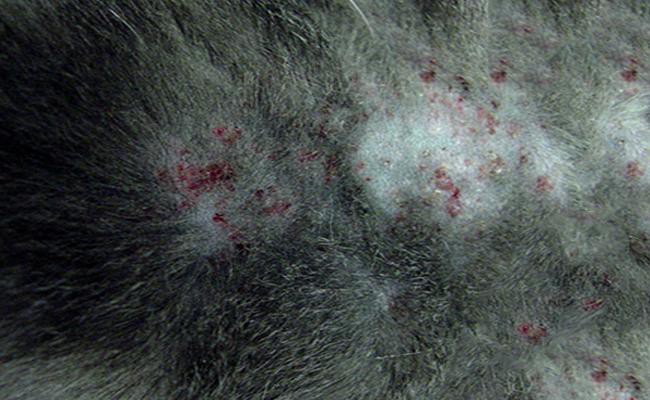
Strict flea control is essential in treating FAD, because the injection of flea saliva causes an allergic response. Even if you do not see fleas on your cat, it is important to continue rigorous flea treatment and maintain environmental control. Most flea infestations occur in warmer weather but can happen year-round. The best treatment is flea prevention, using modern oral or topical medications.
If a definitive diagnosis of flea allergy is established, the veterinarian may prescribe any of several available systemic medications, such as: an antibiotic (a substance that can inhibit or destroy the growth of invasive microorganisms); a corticosteroid (a hormone often used to moderate an immune response and reduce inflammation); or an antihistamine (which inhibits the action of the chemical agent whose production causes the release of fluids into the tissues of an affected cat that can lead to inflammation and itching). No such medications, of course, should ever be used without the specific recommendation of a veterinarian. At the same time, Dr. Miller advises, measures must be taken to remove all fleas from a vulnerable cats environment.

However, this should only be until your cats medication has started working (which usually takes 12-48 hours), and never as a long-term solution (it may stop your cat scratching but it wont stop them feeling itchy and uncomfortable). 95% of a flea infestation is in the home, only 5% is on your pets. Its important to be wary of any non-prescription products that claim to treat flea allergies in cats.