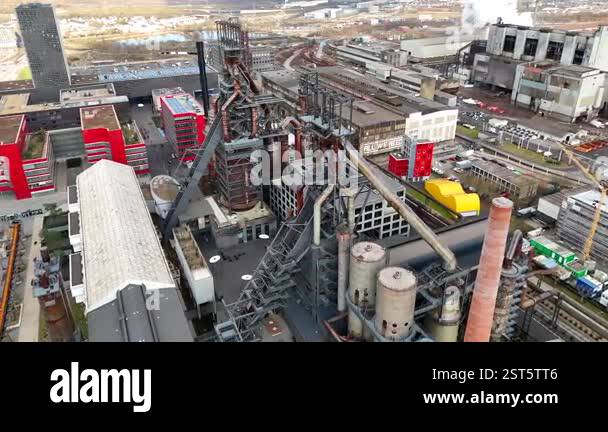
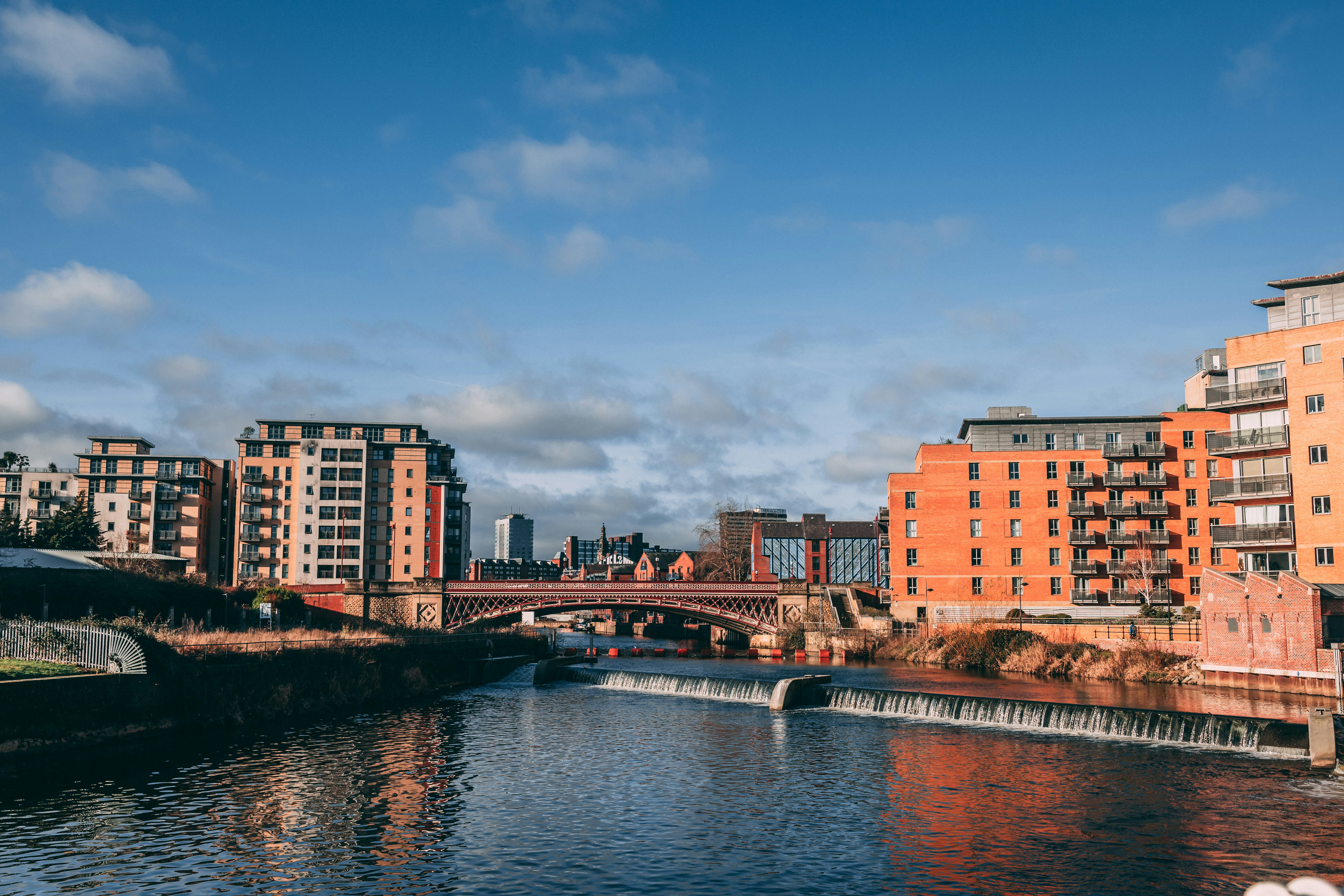
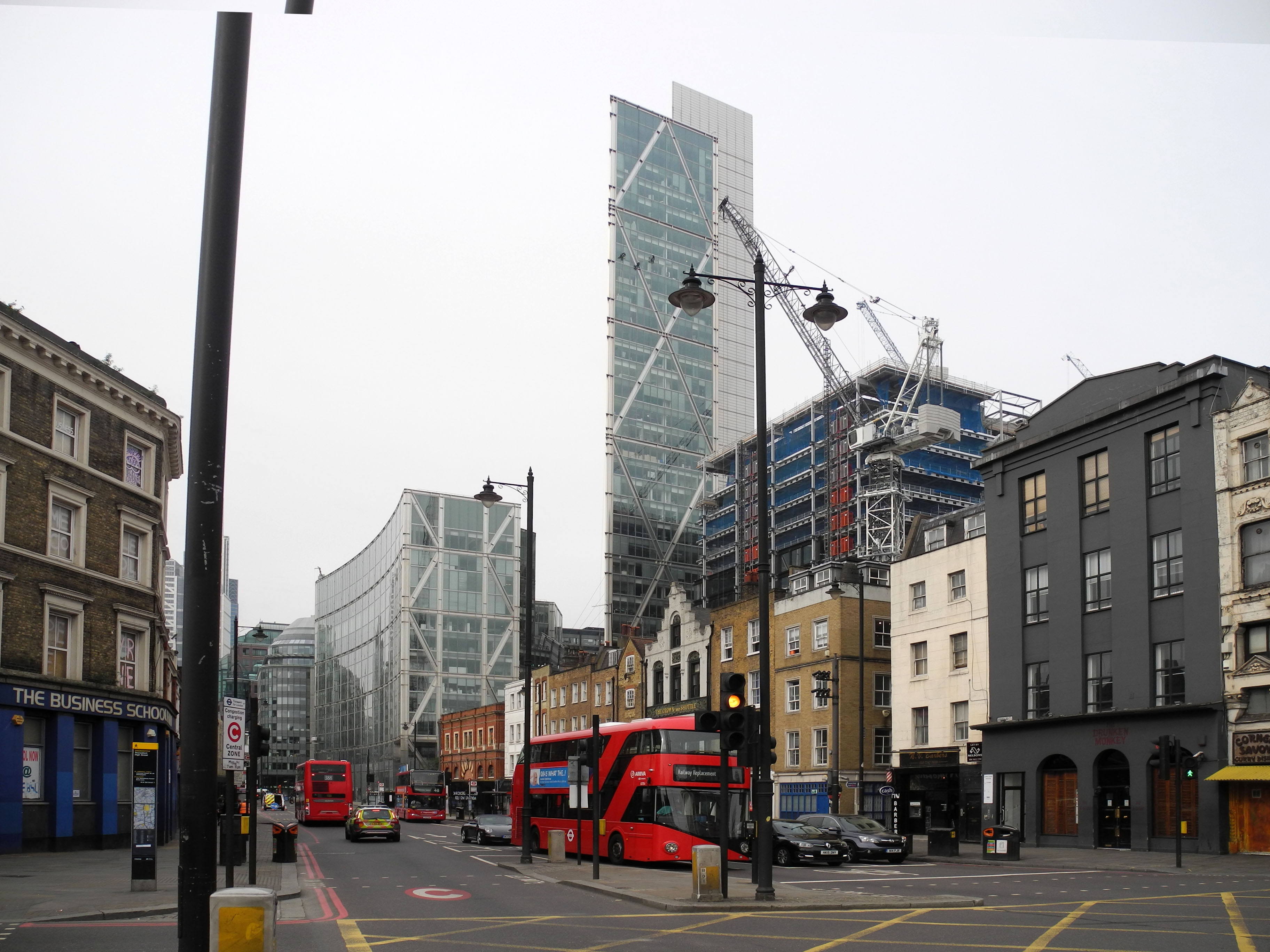
Industrial heritage and urban development: the Dutch experience.How did Modernist urbanism influence the treatment of industrial heritage?add. Modernism often prioritized demolition over preservation, viewing obsolete industrial sites as impediments to progress.
2. Conceptual Framework. Urban development profoundly influences urban cultural heritage, shaping both physical and intangible aspects. To what extent can development actions and policies preserve or negate the cultural heritage that identifies urban communities?
As urban populations continue to grow, and individuals look to reclaim their place in the community, the question arises: have our downtowns evolved enough to meet these new demands?
Problems of preserving modernist heritage".In the interwar period, many industrial centers of eastern Ukraine emerged, such as Zaporizhzhia, Kharkiv, Kryvyi Rih, Dnipro, Mariupol, etc., with the newly emerged cities developed actively just in the period of the first wave of modernism.
The Eyewitness development successfully balanced heritage preservation with modern urban living, breathing new life into a key part of Sheffields industrial history. The site is now fully occupied, with high demand for its unique blend of historic charm and contemporary design.

Is preserving architectural heritage a hindrance to urban development? Or is the conservation of our built past an essential component of successful cities economic and environmental futures? Preservation?
Montreals European and Industrial Heritage. The citys French colonial and Gothic Revival architecture contrasts with its growing skyline of high-tech, energy-efficient buildings. Laws enforce the preservation of historic facades, blending the old with new.

This particular example perfectly highlights why Industrial Heritage Preservation In Modern Urban Developments is so captivating.
The urban village concept, essential for sustainable urban development, has evolved significantly from its traditional village origins. It is based on historical sustainability practices, which include environmental, social, and economic dimensions.
Preserving cultural heritage is crucial, but so is promoting modern housing that aligns with environmental sustainability and social well-being. Incorporating traditional elements fosters compatibility between house form and contemporary lifestyles.