Smartphones enable people to remain in contact with their social and professional network continuously. This may result in compulsive checking for status updates and messages, for fear of missing an opportunity.
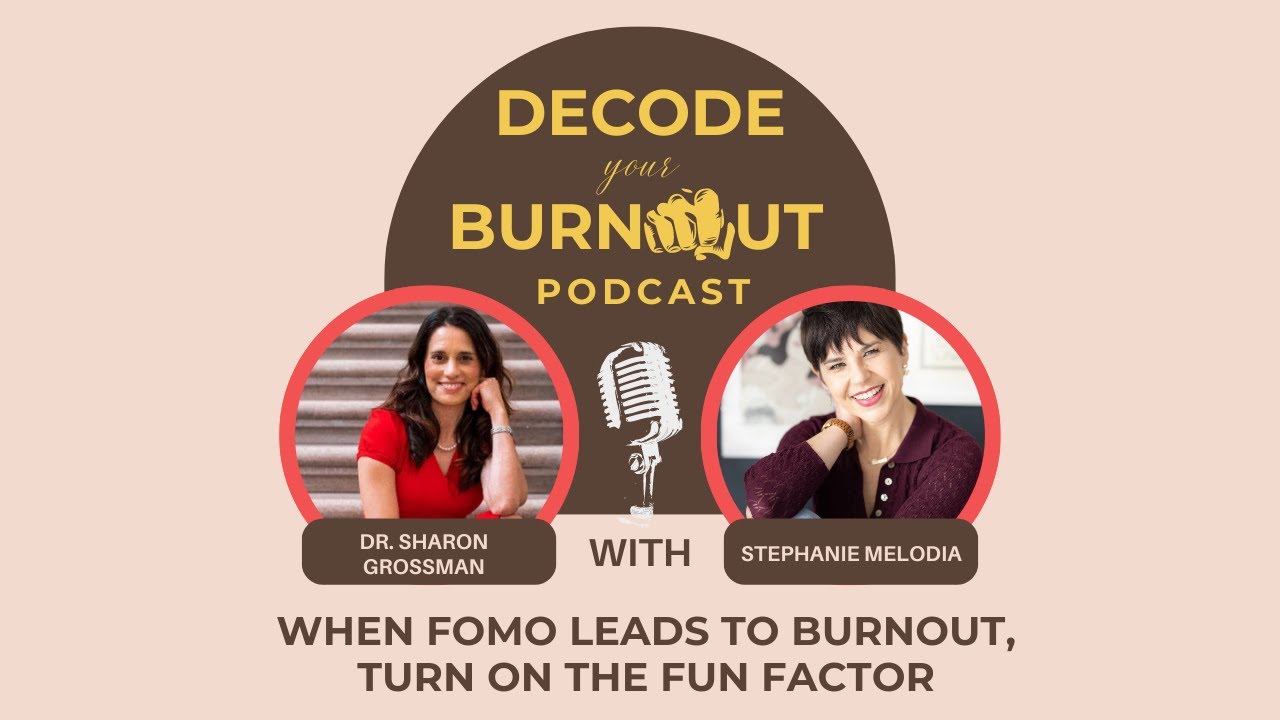
Today on the podcast, Im going to be work-life balance and why FOMO (fear of missing out) can directly lead to burnout. For show notes, head to coachellyn.com/podcast and, of course, if you have any questions or want to connect, head on over to @coachellyn on Instagram.
FOMO leads to burnout. Whos Afraid of the Big Bad Burnout?Why Burnout Limits Opportunity. When you burn out, you limit your ability to enjoy life. You feel a sense of detaching from your surrounds and the people in your life, even your closest loved ones.

The anxiety of missing out makes you more impulsiveleading to overcommitting, overspending, or constantly switching strategies. How FOMO Leads to Burnout and Dissatisfaction.
Why FOMO Happens: Psychological Triggers. FOMO is rooted in psychology. Here are the main reasons why traders experience it: 1. Herd Mentality.5. Erosion of Confidence. Repeated losses due to FOMO hurt a trader's confidence and can lead to revenge trading or burnout.

This can lead to poor performance at work, burnout, feelings of sadness or depression, fatigue and headaches, and difficulty concentrating on tasks in the present. Assessing your values can help you to overcome FOMO | Image: Plann.
Fomo is creeping into the workplace with worrying effects on mental health, experts suggest. Fomo information overload.The idea of Fomo (Fear of Missing Out) is something most people are familiar with, especially when it comes to our social lives.

Geurts is investigating the relation between health and work. She states that chronic stress can lead to a burnout. It often starts with exhaustion, lack of sleep, or lack of motivation; these can be followed by headaches, heart palpitations or infection.
...